Retiring as a competitive and professional Irish dancer

If you have dedicated your life to competitive and/or professional dance, then what happens when your career ends? If you’re no longer a dancer, who are you?

Many dancers begin their career as toddlers and go on to compete for several years, putting in copious hours of vigorous training a week. In addition to school and social lives, entire weekends are often dominated by competitions. Some may then have the opportunity to tour the world as a professional.

Dancers often personally sacrifice so much in order to pursue their dreams. We leave our families for extended periods of time and miss out on cherished events and time with loved ones. Some of us leave school for a once in a lifetime opportunity to tour. Some of us give up relationships.

There is very little that can compare to the feeling of being on stage every night, receiving standing ovations, being in the best shape of your life (and being able to guiltlessly eat an insane amount of calories), traveling to some of the most beautiful places in the world and meeting great friends from all different backgrounds who become your family. It truly is the Good Life!

But what happens when that comes to an end? For most of us, this occurs more or less around the age of 30, or, perhaps you were forced to retire due to an injury at an earlier or later age. Maybe you were ‘let go’ from a professional show. Ultimately, we all will have to face the difficult questions: What do you want to do now? What is your plan?

People would often ask, “Wow, how do you perform that many shows a week for that many months at a time?” They marvelled at the dedication and time that HAD to go into our training. Dancing athletes tend to be considered strong both physically and mentally, as we no doubt are, but, we’re also human beings. This stereotype can make it even harder to admit when we need some support.

If this is a worry and you feel you’re struggling then it’s very important to seek support. It’s ok and more than understandable to feel a bit lost. It’s an extreme lifestyle change and you’re likely to feel as if you’re starting over again. It can be overwhelming and very tough to adapt to ”normal life.”

I’ve dealt with this myself and have seen it in so many others. It can be a time that can make us vulnerable and susceptible to anxiety and depression. It’s a loss, and can, therefore, be a time of grief.

Sadly, I have been the witness of many a dancer being ‘let go’ by a touring show, taking the professional dancer by surprise. In fact many people don’t get the option to leave on their terms. The majority of people in show businesses must face the fact that one day their employer(s) will move on, whether you’re ready to or not and this can leave you questioning yourself. “What did I do wrong? Was I not good enough? Is it my height? Weight? Look? Or is it all of those things?” Unfortunately, I’ve seen this many times.

I’ve mentioned before that I’m not a psychologist or therapist, but as a former professional athlete with the experience, knowledge and wisdom I acquired on my journey, I feel more than qualifies me to give some advice:

  • It’s important not to have your ego & sense of identity solely based on your role as a dancer. It is essential to have other interests and plans in place.

  • It’s natural to want to give back to dance after having lived and breathed it for so long. Determine how you may do so, whether it’s teaching, choreography, strength and conditioning, etc. There are many ways to remain involved in an art form that you love and cherish. Giving back to the next generation can be extremely rewarding!

  • Ask for advice. A sports psychologist, occupational therapist, your family and friends, they’re all people that could help!

More and more, athletes in all kinds of sports are talking about their struggles after retiring. Please know that these feelings are normal. Let us collectively abolish any stigma related to the end of our beautiful, professional dancing careers and support everyone as best we can.

If your dream is a career in professional dance, as mine once was, it can be the most incredible experience of your life.  Just be mindful that in this industry you’re on top one minute and the next you could find yourself without a contract. Drop all expectations, be present and thankful for the opportunities.

Ride the wave!

Chloey Turner ♥️
Managing challenging times as a dancer

No matter how much you plan ahead, practice and prepare, sometimes things just won’t go according to expectation & plan. I have often witnessed dancers seeing their ‘disappointments’ as evidence that they are not good enough.

Some of the most stressful incidents in life and dance are those that are unexpected and uncontrollable. We have no control over the judges, start numbers, the results or another competitor’s performance. However, we can control our reactions. The way you handle a setback or disappointment today affects your level of confidence and resiliency in future competitions.

Here are a few tips I recommend to be able to overcome disappointments and build resilience:

  • Take time to reflect. It’s ok to be upset after a disappointment, but the quicker you can process it, the quicker you can get back to work.

  • Never allow a loss to define you or how you feel about yourself.

  • Look for the lesson—you should review the event and determine what you need to do to improve for future competitions.

  • Keep your expectations realistic and allow for change & the unexpected.

If you are genuinely interested in growing and improving as a competitor and performer, regardless of the outcome, try looking inward instead of outward. We have all been guilty of shifting blame onto external factors, typically when things don’t go our way. As we cannot control chance, in order to protect our mental health and wellbeing, focus solely and quite simply on ourselves. There is always room to improve and the more time and energy you spend looking outwards is time away from achieving your true potential.

After introspection, take action. You must commit to action. What will you do to perform better next time?

If you can begin to see your setbacks and times of adversity differently, in a more positive light and productive way, these times can teach you more significant lessons than any of your successes.

Try these journalling prompts:

  • What happened? Write about your performance day
  • What did I do well? acknowledge your efforts and all you did well.
  • Where can I improve? Listen and ask for feedback. Watch yourself back if you can.
  • What action will I take going forward? This is important, because remember “If nothing changes, then nothing changes.”


– Chloey ♥️

Letting go of fear of judgement

My struggle with anxiety caused me to have a fear of judgement for most of my life. I’ve always  been a massive over-thinker and had the desperate need to be liked. This can make putting yourself out there and sharing your work and experiences quite scary. I’d often think, “What if people don’t like what I’m doing? What if I’m seen to fail? What if no one shows up to my events and workshops?” Etc.

My anxiety and fear hasn’t gone away completely. I’ve come to accept that it may never. I have also come to realise the following:

If you’re feeling vulnerable or fearful, it means you care. Personally, I’ve never done anything of value that I wasn’t terrified of doing.

Being brave doesn’t mean that you’re not scared and that you don’t have fears. Being brave is about being afraid and going for it anyway. I’ve come to embrace my vulnerability and am happy to share it.

Once you can finally let go of your fears and realise that judgment is unavoidable, you have great intentions and a kind heart—you can do wonderful things.

Why is it that we could have 99 people love us and one person that doesn’t and we focus on the one person and let it upset us? That one person can take away your power; don’t let them, ever! The only opinion of you that really matters is your own, truly. As the great Jim Carrey said, “When you truly don’t care what anyone thinks of you, you’ve reached a dangerous level of freedom.”

People will always judge. So be it. Let them. It concerns us not! We’re too busy daring greatly in our respective arenas.

Chloey ♥️

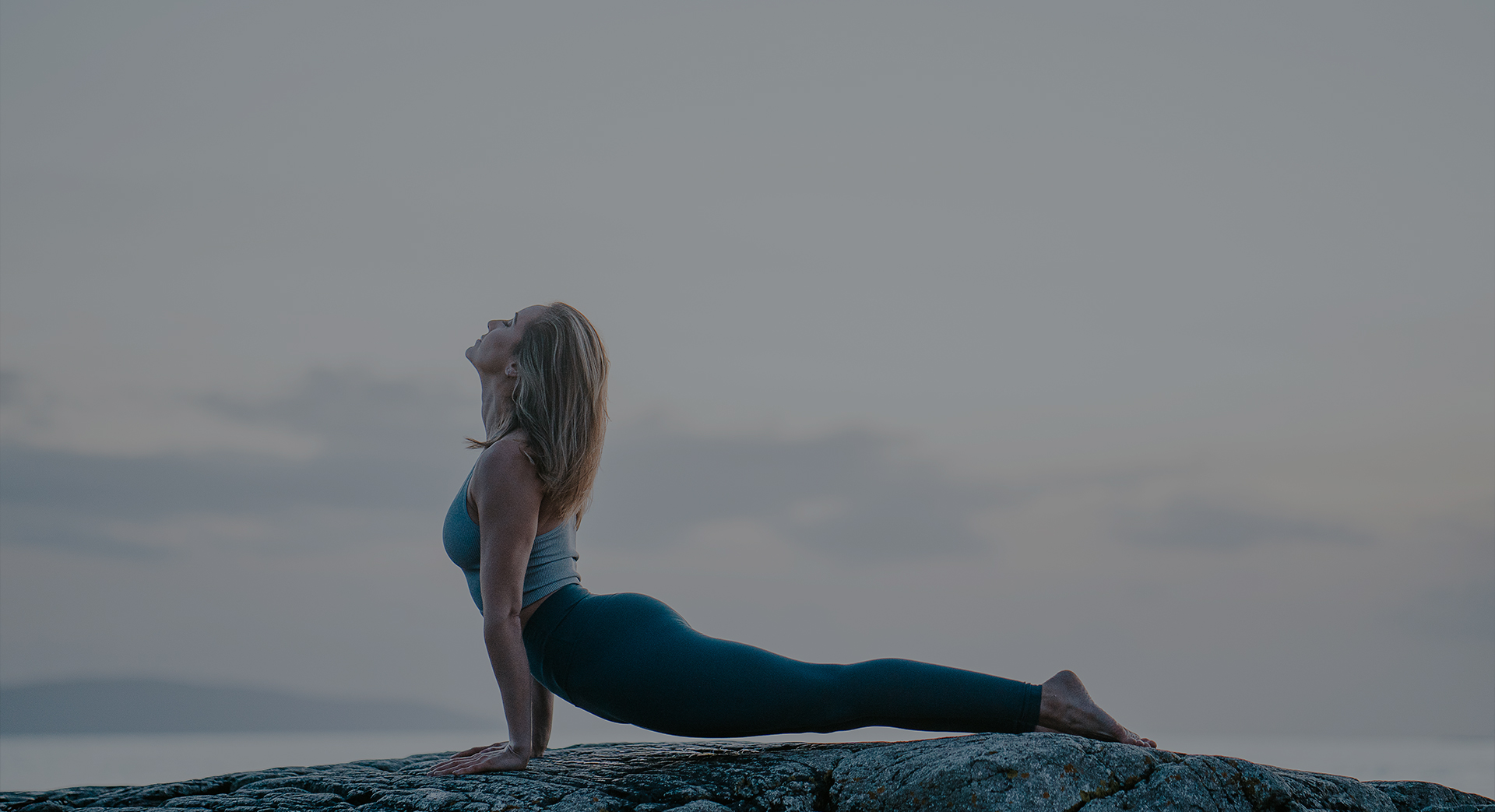
The benefits of Yoga for Irish dancers

I’ve been an Irish dancer for 25 years and like so many other dancers I grew up searching for the best ways to improve my physical fitness and technical ability, to be able to remain injury free and, ultimately, to become the best Irish dancing athlete I could be.

I discovered yoga just a few years ago. My ego used to trick me into believing that yoga wasn’t enough of a workout, “It’s too slow paced for me”, I’d say. I’d also write it off because I thought you had to be super flexible and be able to do handstands, etc. As for meditation – I quite honestly thought it was for monks wearing orange robes!

I can say, wholeheartedly, that by practicing yoga and meditation consistently over the last few years that it has changed my life in many, many wonderful ways. It was the piece of wellness that I had been missing. I’m now a certified yoga teacher and love every minute of educating dancers on the many benefits.

I was able to go into my twelfth year as a professional dancer with a stronger, more flexible body and a calmer, more peaceful mind – which allowed me to enjoy every performance, stress free and without any negative thought patterns.

Below, I’ve listed a few reasons why I encourage you to start practicing also:

• Meditation for Self – Awareness.

The purpose of yoga goes far beyond just the physical practice.

We have thousands of thoughts going on all day long as the mind swings back-and-forth from thinking about the past to the future. Yoga allows you to be present, to slow down and check in with yourself and to learn a little more about who you are. Through meditation you can shine some light on your thoughts and feelings, without judgement.

Personally, I am now able to be the witness of my thoughts and no longer identify with them, because of this I also no longer believe everything I tell myself. I’m able to look at my thoughts with love and kindness and then just let them go.

A tip is to see your mind as a blue sky and your thoughts like clouds – you can use meditation to watch those thoughts float on by.

This has taken practice, through daily meditation and has had the most profound effect on my mindset.

• Breathing

Many performers deal with mental and emotional stress, most of which generates from anxiety and nerves surrounding competitions and performances, whilst often finding school, practice, home study and other aspects of life a challenge to balance.

Proper breathing is often an overlooked component of training. By learning various ‘Pranayama’ (control of breath) techniques to slow your breath, you can decrease your demand for oxygen, allowing you to use less effort and energy to breathe.

Quite often when nerves and anxiety show up, our breath will be shallow and restricted – activating our bodys’ stress response, which can cause fatigue if not controlled & leave you feeling exhausted before you’ve even performed. Since the mind and body are connected your muscles will also become tense!

Studies have shown that breathing properly can decrease stress and muscle tension, calm your nerves, sharpen your focus, minimize negative thoughts and promote stamina.

• A Balance of Mobility/Flexibility, Strength and Stability

We all admire those dancers who have that gorgeous balance of effortless front clicks, each move executed with sharpness, speed and precision.

The various Yoga ‘asanas’ (body postures) will help to make your dancing look and feel more relaxed and effortless by improving both the range of motion around your joints and overall body strength, creating that perfect balance of flexibility, strength and control.

As you can see, yoga is not only beneficial to Irish dancers because of the physical challenges it presents, but also because it is a discipline of the mind. Personally, I always leave my yoga practice with a calmer, peaceful mind and a relaxed body with less tension.

As with anything, you’ll get the most benefit if you practice yoga consistently. Overtime, I promise you’ll reap the benefits!

Chloey ♥️