Core Stability From the Inside Out

In this lesson, we dive into something I still hear very little discussion around in Irish dance, but believe is incredibly important: the foundation of core support and movement from the inside out.

We explore concepts such as breathing mechanics, intra-abdominal pressure (IAP), posture, and how the body creates support during movement. You’ll learn how the diaphragm, pelvic floor, abdominal wall, and muscles around the spine work together as a coordinated system to help support posture, balance, stability, movement efficiency, and even stamina.

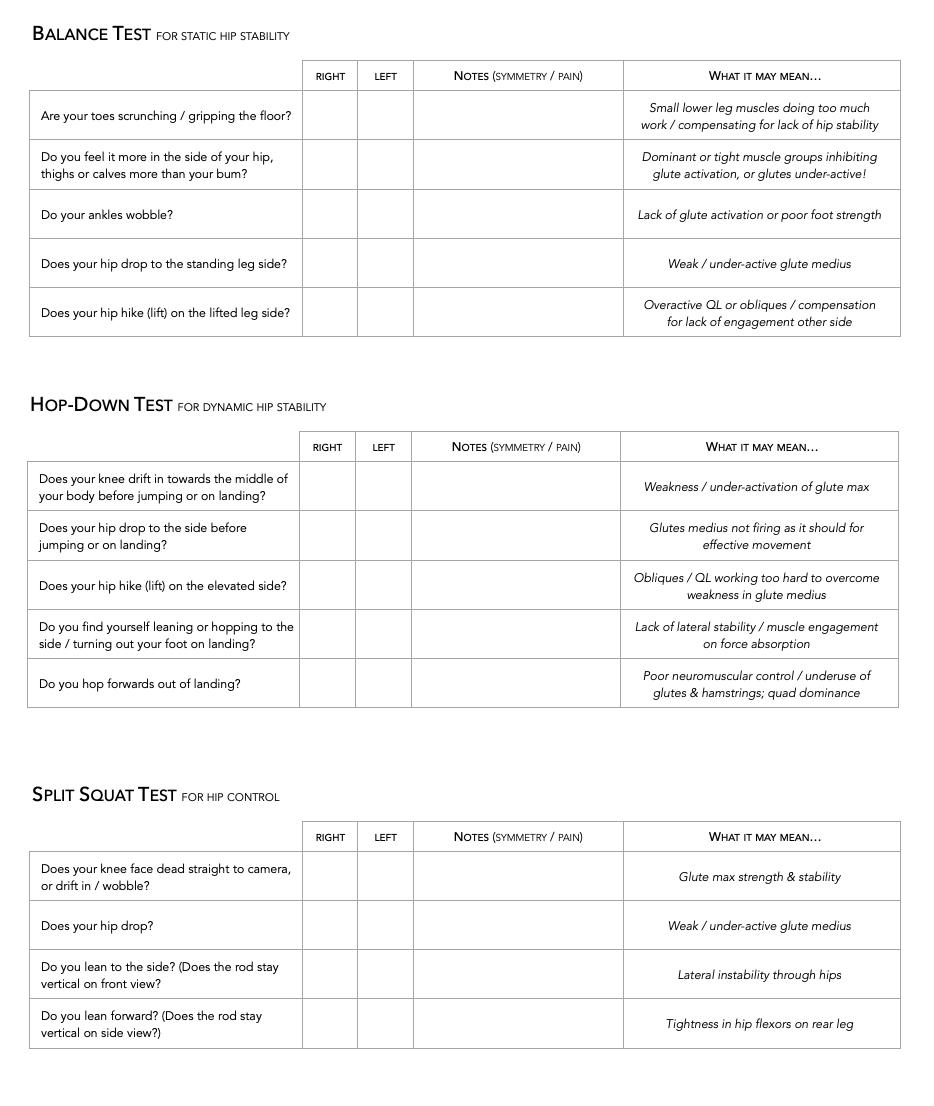
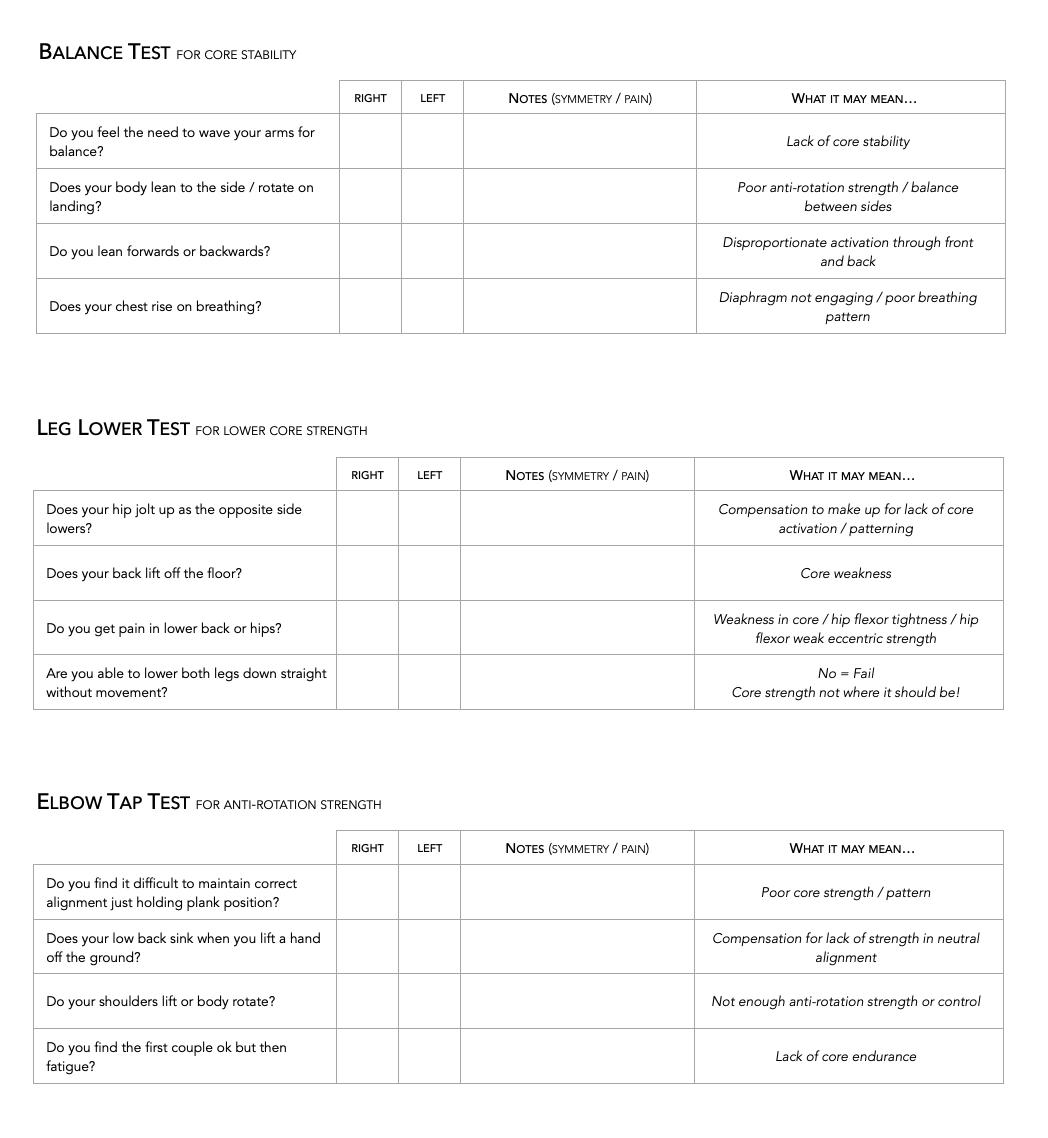
We also discuss common dancer tendencies such as excessive rib flare, lower back arching, “open scissors” posture, gripping through the hip flexors and lower back, and why simply stretching tight areas may not always address the root cause.

Through practical demonstrations and beginner-friendly drills, you’ll learn how to better connect to your core, improve awareness of rib cage and pelvis positioning, and begin creating more efficient support strategies that can transfer into strength training and dance.

Honestly, I believe so much of our Irish dance skills start here.

By learning how to feel more supported, connected, balanced, and coordinated from the inside out.
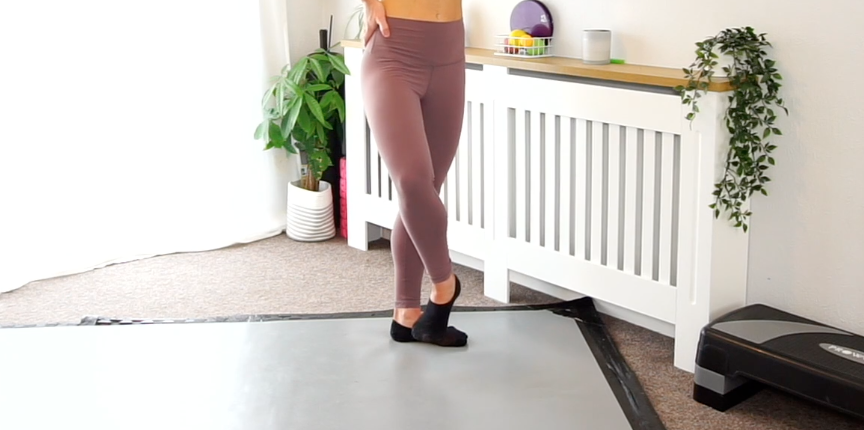
Twisty Ankles Drills

Need those ankles to loosen up and be extra twisty and flicky? Enjoy these drills and pop them into your training consistently.

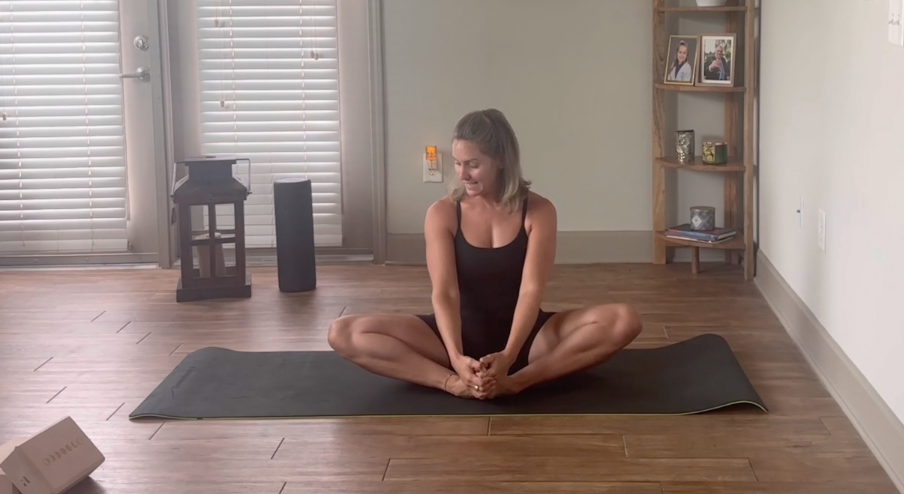
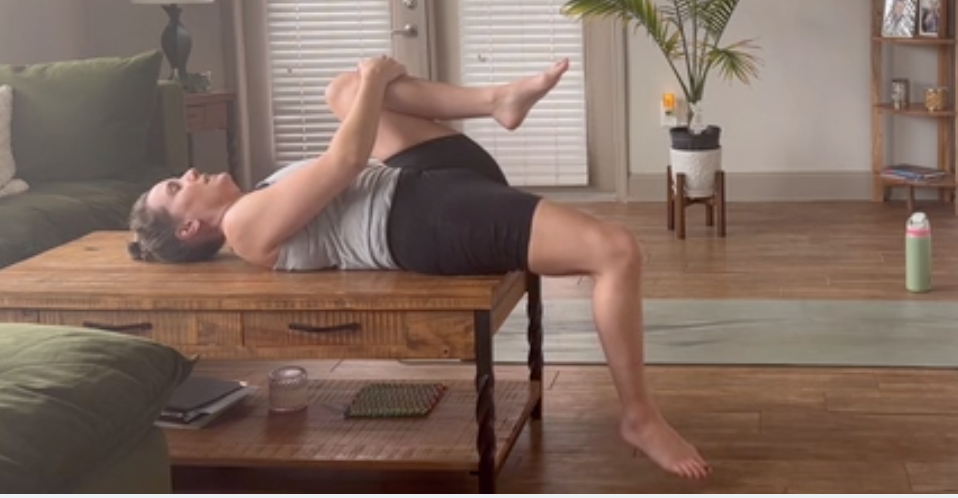
Assessing for inner thigh tightness.

Take this short assessment to check if those inner thighs are something you can work on for improved turnout, extensions, alignment and pancake splits.

*Please note that we don’t need to have the knees be All the way down to the ground in the seated and supine butterfly. Also note that we don’t need to work towards a full middle split as Irish dancers. A full middle split takes the legs out to a full 180 degrees, whereas the pancake split is less at around 90 degrees – this position will be a little more accessible for most.

Any questions, give me a shout. You will now find an inner thigh flexibility class in  the library aslo.

Assessing Turnout

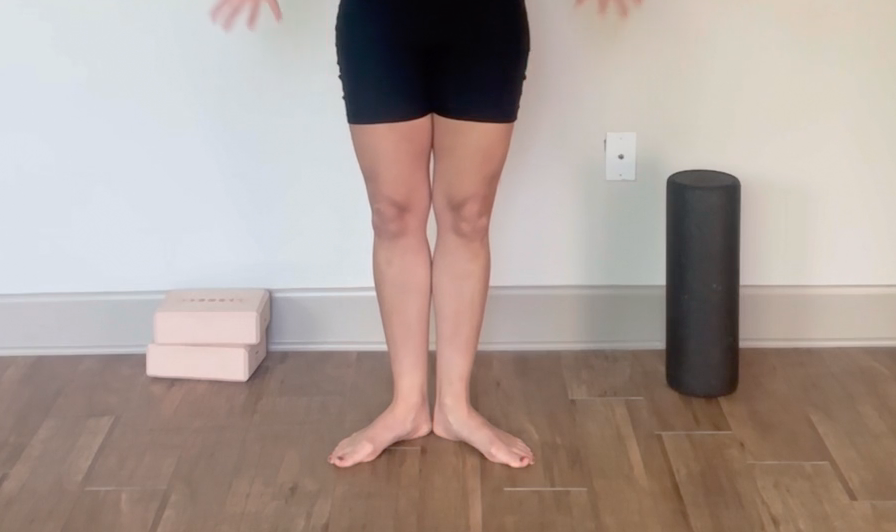
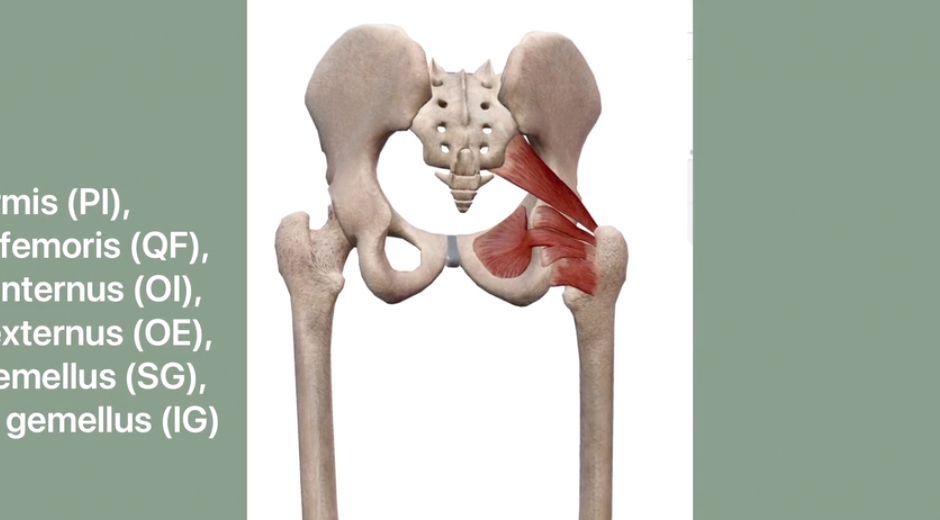
In this video we shall gage an idea of our current turnout range and identify where we may be restricted. When it comes to improving your range and control in turnout, the more you know about the anatomy of turnout, the better. I recommend watching the “Anatomy of turnout’ lesson before this one.

This information can then help you to select mobilizers that will be the most effective in improving your range safely. Grab a notebook, pen and perhaps your phone to take images and let’s go!

Turnout Anatomy!

If you’re anything like me, you are a visual person and seeing the bones & muscles work will be helpful in learning more  about turnout and how to maximize it. I think this particular video is more for some of our older dancers 12+ as well as parents and teachers of course. Please give me a shout if you’ve any questions. And please find a couple references below and further reading..

IADMS paper..

https://iadms.org/media/3597/iadms-resource-paper-turnout-anatomy.pdf

I also love the work of Lisa Howell from The Ballet Blog – she has great resources when it comes to teaching turnout to very young dancers..

Training Turnout in Tiny Dancers

The visuals used during the video are from the Visible Body app – highly recommended to learn everything anatomy!